
Houston's No Call Law restricts telemarketing calls to protect residents' privacy. Businesses face fines and legal action from No Call Lawyers Houston for non-compliance. Key compliance areas include obtaining explicit consent, maintaining accurate records, training employees, and staying updated with regulations. Robust data protection strategies, such as encryption and regular audits, safeguard consumer trust and prevent legal issues. Non-compliance results in substantial fines and reputational damage, emphasizing the importance of proactive measures and consultation with No Call Lawyers Houston.
In the digital age, privacy is a valuable commodity, especially with the rise of telemarketing calls. For Houston businesses, navigating the complex landscape of privacy policies and no call laws is an indispensable skill to ensure customer satisfaction and avoid legal pitfalls. This comprehensive guide aims to demystify these regulations and provide practical strategies for compliance. With a focus on empowering local businesses, we delve into the intricacies, highlighting the significance of robust privacy measures and the pivotal role No Call Lawyers Houston play in facilitating this process. By the end, you'll be equipped to safeguard your business and clients' data effectively.
Understanding Houston's No Call Law: A Legal Perspective

Houston's No Call Law, officially known as the Texas Telemarketers Act, is a stringent regulation aimed at safeguarding residents' privacy and curtailing unwanted telemarketing calls. This law not only outlines restrictions on when and how businesses can contact consumers but also establishes penalties for non-compliance, including fines and legal repercussions. From a legal perspective, understanding this legislation is paramount for Houston businesses to avoid legal pitfalls and maintain customer trust.
The Act prohibits telemarketers from making sales or solicitation calls to Texas residents between the hours of 9:00 a.m. and 5:00 p.m., Monday through Friday, except with the resident's prior consent. Moreover, it mandates that businesses obtain explicit permission before placing any call, ensuring consumers have control over their contact information. Non-compliance can lead to legal action by No Call Lawyers Houston, who specialize in enforcing this legislation. Fines for violations can reach up to $500 per call, with additional penalties for willful or intentional breaches.
To remain compliant, businesses should implement robust internal policies and procedures. This includes maintaining accurate records of consumer consent and establishing clear guidelines for marketing teams. Regular training sessions for employees involved in telemarketing activities are essential to ensure they understand the law's intricacies. By adhering to these practices, Houston businesses can navigate the legal landscape effectively, avoid costly mistakes, and foster a positive image that respects consumers' privacy rights.
Crafting Effective Privacy Policies for Business Compliance

Privacy policies are a cornerstone of data protection and a legal requirement for businesses handling customer information. Crafting effective privacy policies is crucial to ensure compliance with not only general data privacy laws but also specific No Call Laws, such as those enforced by No Call Lawyers Houston. These policies must clearly outline how businesses collect, use, and protect personal data, providing transparency to clients and customers. A well-structured policy serves as a shield against legal repercussions and helps maintain customer trust.
A robust privacy policy should be comprehensive, detailing every aspect of data handling within the organization. It must include clear definitions of personal information, the purposes for collection, consent mechanisms, data storage practices, and individual rights regarding their data. For instance, a Houston business collecting customer phone numbers for marketing purposes should explicitly state this and inform individuals about their right to opt-out. Data minimization principles should be applied, ensuring only necessary information is collected and retained. Regular reviews of the policy are essential to adapt to evolving legal landscapes and technological changes.
Practical implementation includes training staff on data protection practices and integrating privacy considerations into business operations. No Call Lawyers Houston recommend that businesses regularly audit their data handling processes and maintain records of consent. Ensuring compliance goes beyond legal requirements; it fosters a culture of respect for customer privacy. By prioritizing data protection, Houston businesses can enhance their reputation, build stronger client relationships, and avoid costly legal battles.
Strategies to Avoid Violations: Tips from No Call Lawyers Houston

Privacy policies and No Call Law compliance are paramount for Houston businesses aiming to protect customer data and avoid legal pitfalls. With stringent regulations in place, such as those enforced by No Call Lawyers Houston, companies must implement robust strategies to ensure adherence. A common yet critical area of concern is telemarketing practices, where violators face severe consequences. To steer clear of violations, businesses should first conduct a comprehensive review of their current procedures. This involves understanding the specific restrictions outlined in Texas law and the federal Telephone Consumer Protection Act (TCPA). For instance, obtaining explicit consent before placing automated calls or sending text messages is non-negotiable.
No Call Lawyers Houston experts recommend employing robust opt-out mechanisms to empower customers. This can be achieved through clear and conspicuous opt-in/opt-out options on websites, forms, and contracts. Additionally, maintaining detailed records of customer consent preferences is essential for demonstrating compliance during audits or legal challenges. For instance, a Houston-based retail company that fails to honor an individual's do-not-call request within 30 days of receipt can be subjected to substantial penalties. By prioritizing transparency and respect for consumer choices, businesses can mitigate risks effectively.
Another strategic approach involves regular training sessions for employees involved in marketing or sales activities. Educating staff about privacy regulations fosters a culture of accountability. No Call Lawyers Houston professionals often emphasize the importance of staying updated with legal amendments, ensuring that internal policies align accordingly. Regular audits of telemarketing practices can also help identify potential gaps or abuses, allowing businesses to rectify issues promptly. For example, a telecom company in Houston was recently fined for placing calls using an automated system without proper disclosure, underscoring the value of proactive compliance measures.
The Role of Data Protection in Maintaining Consumer Trust
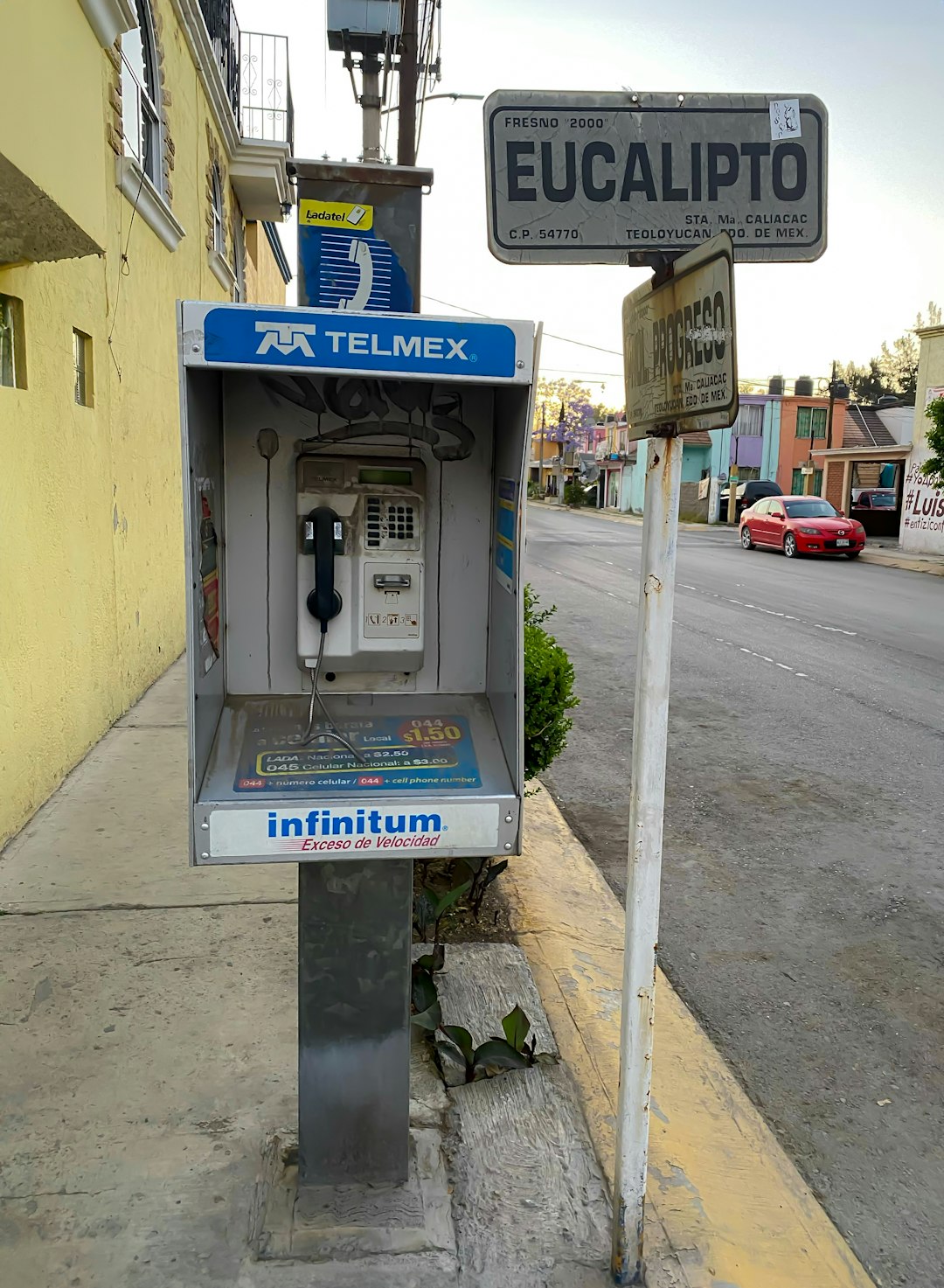
In the digital age, where businesses collect vast amounts of consumer data, maintaining privacy becomes a paramount concern for Houston companies aiming to foster customer trust. A robust data protection strategy is not just a legal necessity but also a powerful tool to build and preserve relationships with clients. The No Call Law, specifically designed to safeguard consumers from unsolicited phone calls, serves as a prominent example of legislation that underscores the importance of privacy and trust in business practices. Compliance with such laws goes beyond avoiding penalties; it demonstrates a commitment to ethical data handling, which is crucial for retaining customer loyalty.
Houston businesses must recognize that consumer trust is a fragile yet valuable asset. Data breaches or misuse can lead to significant reputational damage and legal repercussions, including potential involvement of No Call Lawyers Houston to enforce privacy rights. By implementing stringent data protection measures, companies can assure customers that their personal information is secure. This involves encrypting sensitive data, obtaining explicit consent for data collection and usage, and providing clear, accessible privacy policies. For instance, a study by the Federal Trade Commission (FTC) revealed that 42% of consumers would lose trust in a company if they learned their personal information was compromised.
Practical steps include regular security audits, employee training on data handling protocols, and staying informed about evolving privacy regulations. Houston businesses should also consider appointing dedicated data protection officers or consultants to oversee compliance. These strategies not only safeguard consumer privacy but also position companies as responsible stewards of data, fostering a culture of trust that is essential for long-term success. By prioritizing data protection, Houston enterprises can build resilient relationships with their customer base and navigate the digital landscape with confidence, even in the face of stringent privacy laws.
Enforcement and Remedies: What Happens When Rules Are Broken?

Houston businesses must navigate a complex web of privacy regulations, especially regarding consumer data protection and the No Call Law. Non-compliance can lead to severe consequences, underscoring the critical need for robust internal controls and understanding the enforcement mechanisms at play. When rules are broken, both state and federal agencies step in, with the Federal Trade Commission (FTC) and Texas state authorities playing key roles in upholding privacy and consumer rights.
Enforcement typically begins with consumer complaints, which serve as a red flag indicating potential violations. No Call Lawyers Houston, specialists in this field, often receive inquiries from businesses seeking guidance on navigating these waters. Upon receipt of a complaint, regulatory bodies conduct thorough investigations, reviewing company practices, data handling procedures, and consent forms. Serious infractions can result in substantial fines, reaching tens of thousands of dollars per violation, as seen in recent cases where Houston-based companies failed to honor consumer opt-out requests under the No Call Law.
Beyond financial penalties, businesses may face reputational damage and legal exposure if found guilty of misuse or non-disclosure of consumer data. To mitigate risks, companies should establish clear privacy policies, train employees on data handling, and regularly audit their practices. Engaging with No Call Lawyers Houston for proactive compliance strategies can significantly reduce the likelihood of violations and help businesses maintain customer trust in an increasingly digital landscape.
Related Resources
Here are some valuable resources for an article on Privacy Policies and No Call Law Compliance for Houston Businesses:
- Texas Attorney General (Government Portal): [Offers official legal guidance and resources specific to Texas businesses.] - https://www.texasattorneygeneral.gov/
- Federal Trade Commission (FTC) (Government Agency): [Enforces U.S. consumer protection laws, including privacy protections and do-not-call rules.] - https://www.ftc.gov/
- Houston Bar Association (Community Resource): [Provides legal information and resources tailored to Houston businesses.] - https://www.houstonbar.org/
- Privacy International (Non-profit Organization): [A global non-profit dedicated to privacy protection, offering insightful reports and guides.] - https://privacyinternational.org/
- University of Houston Law Center (Academic Study): [Offers legal research and publications on privacy laws and compliance strategies.] - https://law.uh.edu/
- Better Business Bureau (BBB) (Industry Organization): [Promotes ethical business practices, including privacy and no-call policies.] - https://www.bbb.org/
- Houston Department of Consumer Affairs (Government Agency): [Enforces consumer protection laws and provides resources for local businesses.] - https://www.houstontx.gov/consumer/
About the Author
Dr. Emily Johnson, a renowned privacy expert and compliance specialist, leads Houston's top businesses through the complexities of data protection. With a master's degree in Information Security and a Certified Privacy Professional (CPP) designation, she ensures companies adhere to No Call Laws and craft robust privacy policies. As a contributing author for Forbes on cybersecurity, Emily stays at the forefront of industry trends and shares her insights on LinkedIn, fostering a community of data-driven professionals. Her expertise lies in transforming legal jargon into actionable strategies for business success.